

eports demonstrating modest but significant correlations between heavy social media use (SMU) and poorer mental health in youth have led many to suggest that heavy SMU is culpable. Although many youth may not be harmed by heavy SMU, distressed youth may be particularly vulnerable. The aim of this study was to experimentally examine the effects of reducing SMU on smartphones on symptoms of depression, anxiety, fear of missing out (FoMO), and sleep in youth with emotional distress. A randomized controlled trial was used to assign 220 youth aged 17–25 years to either an intervention or control group. The intervention group was asked to reduce smartphone-based SMU to 1 hr/day for 3 weeks while the control group had no SMU restrictions. SMU was objectively measured daily via tracking systems in smartphones. Mental health and sleep were subjectively assessed at baseline and following the 3-week intervention period. Compared to the control group, the intervention group showed significantly greater reductions in symptoms of depression, anxiety, and FoMO, and greater increases in sleep. No effects of gender were detected. Reducing SMU on smartphones to approximately 1 hr/day may be a feasible, inexpensive, and effective method of increasing sleep and reducing symptoms of depression, anxiety, and FoMO among distressed youth.
Read the full publication on APA PsycNet.

New Zealand should copy the Australian ban on social media for children under 16, a public health researcher says. The Australian government said it would pass a law banning social media for children under 16. Prime Minister Anthony Albanese announced yesterday that a bill will be introduced to parliament within weeks.
Read More
New data from the WHO Regional Office for Europe reveals a sharp rise in problematic social media use among adolescents, with rates increasing from 7% in 2018 to 11% in 2022. This, coupled with findings that 12% of adolescents are at risk of problematic gaming, raises urgent concerns about the impact of digital technology on the mental health and well-being of young people.
Read More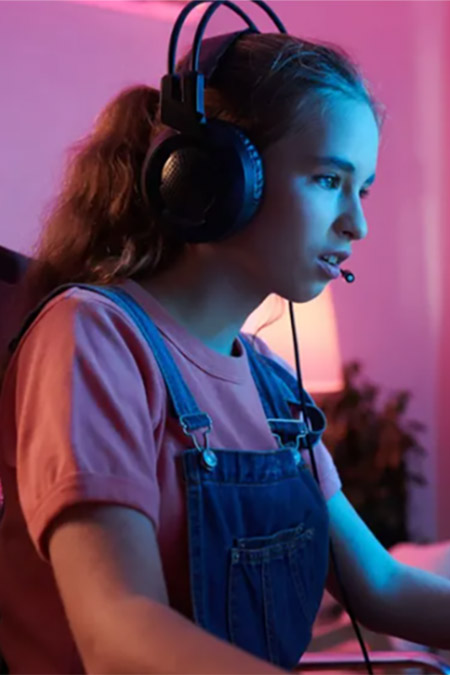
Gaming platforms and social media pose similar risks for children: excessive time spent online, and potential exposure to predators, harmful content or bullying. Dr Daniela Vecchio wonders why gaming platforms have not been included in Australia's "world-first" social media ban for under-16s.
Read MoreWe greatly appreciate your feedback on this website and would like to know what information you found useful and what services you would like to see next. Please take a couple of minutes to let us know.
survey


