

n the past few years internet addiction (IA) and internet gaming disorder (IGD) have become very frequent, leading to many personality and psychiatric disorders including low self-esteem, impulsivity, poor sleep quality, mood disorder, and suicide. IA has been included in Appendix III of the Diagnostic and Statistical Manual for Mental Disorders (DSM-5) as IGD. In addition, IA leads to many neuroanatomical and neurochemical alterations including cortical thinning of various components of the brain and altered dopaminergic reward circuitry. Due to widespread neuropsychiatric and neurobiological implications of IA, multiple therapeutic approaches are needed. Integrative therapy in the form of yoga and mindfulness has proven to be effective in many addiction disorders including IA.
Tripathi, A. (2017). Impact of internet addiction on mental health: An integrative therapy is needed. Integrative Medicine International, 4(3-4), 215–222.
Read the full article on Karger.
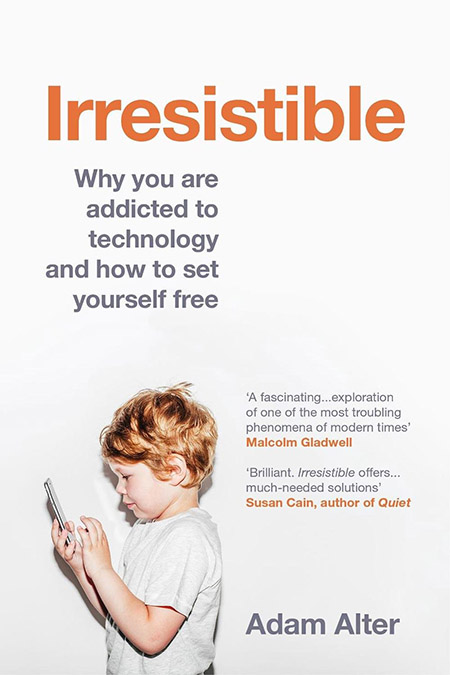
Psychologist Adam Alter provides insight into why we have addiction to technology, explains the science behind why we can't seem to stop such behaviour and offers practical advice for using technology differently, in order to lead a happier life, and to set yourself free.
Read More
The field of internet addiction has experienced significant debates on conflicting epidemiology. This meta-analysis investigated the prevalence rates of generalized internet addiction (GIA) and internet gaming disorder (IGD).
Read More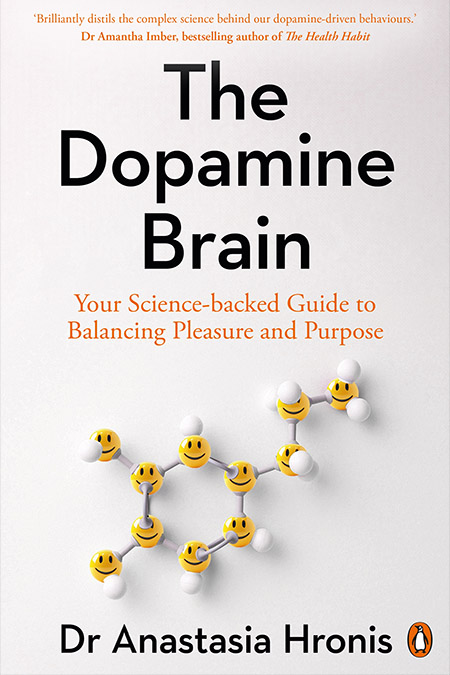
Clinical psychologist and founder of the Australian Institute for Human Wellness Dr Anastasia Hronis lifts the lid on dopamine to help us live by intention, not impulse. A transformative guide to breaking free from impulsive habits and living a more intentional life.
Read MoreWe greatly appreciate your feedback on this website and would like to know what information you found useful and what services you would like to see next. Please take a couple of minutes to let us know.
survey


